
Skip to content
Free written quotesLocal crews
Call now (415) 555-0126
San Francisco, CA (415) 555-0126
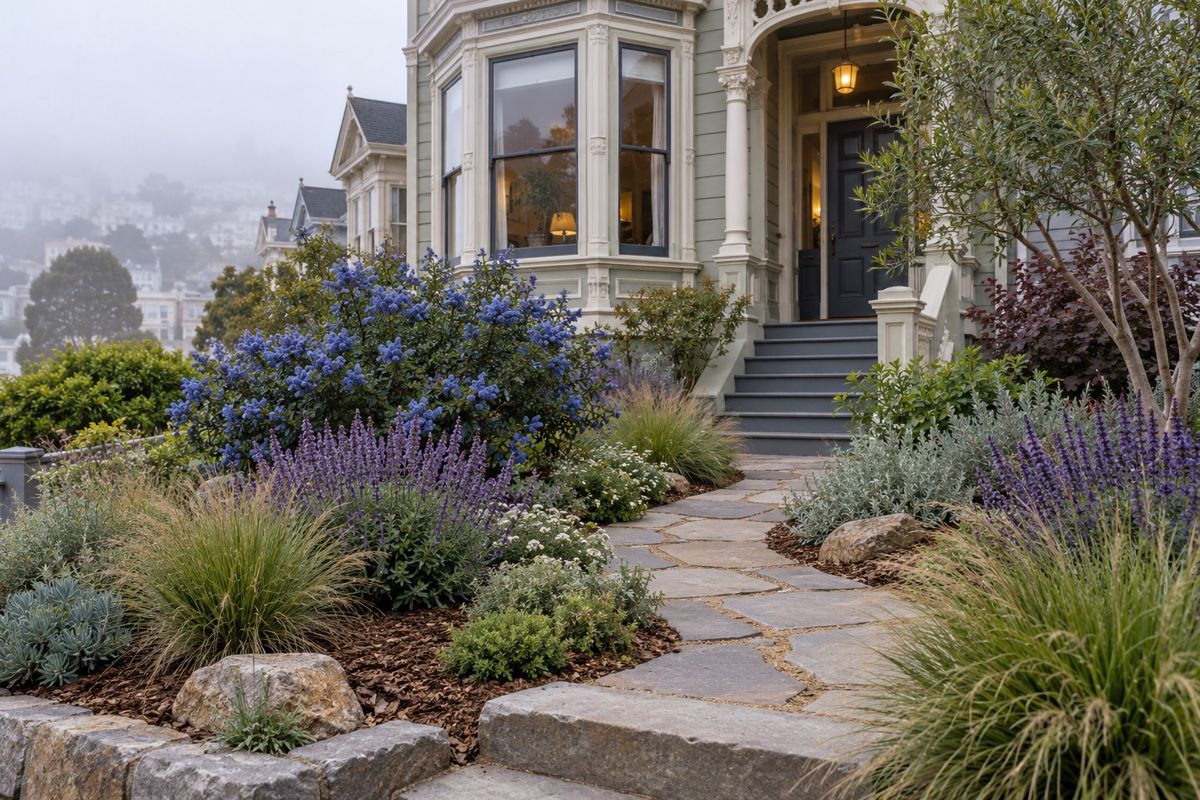
Newly planted drought-tolerant front garden at a San Francisco Victorian house

Design and yard overhauls

Landscape design in San Francisco, planned around your lot

A clear plan for layout, planting, and materials, built for small yards, hillsides, fog, and wind.

  • Plans that fit narrow and sloped lots
  • Drought-tolerant planting choices
  • Written scope and quote before work

Step 1 of 3

What do you need?

What does landscape design in San Francisco involve?

Landscape design in San Francisco starts with the lot you actually have. Most yards here are small, many are narrow, and a lot of them slope or sit in the shade of the next building. A good plan works with that instead of fighting it.

The work usually begins with a walk through the yard, measurements, and a talk about how you want to use the space. Do you want a place to eat outside, a play area, a quiet garden you can see from the kitchen, or simply less upkeep? From there a plan is drawn that shows paths, beds, seating, planting zones, lighting, and where water will go.

A full yard overhaul can include demolition, grading, new hardscape, drainage, irrigation, soil work, and planting. Some owners want all of it. Others want one corner fixed. Either is a reasonable place to start, and the work can be phased over more than one season.

What problems do San Francisco yards usually have?

Yards here are rarely simple. Before any plant goes in, the plan has to deal with the conditions that come with the city.

  • Fog and wind. Summer fog keeps many neighborhoods cool and damp, and wind off the ocean can burn tender leaves and knock over tall, thin plants.
  • Slopes and steps. Lots on hills often need terracing, stairs, or a wall before they are usable. Our page on retaining walls and drainage explains how that side of the work goes.
  • Shade and tight space. Tall neighbors and fences cast shade for much of the day, and many backyards are only a few steps wide.
  • Soil. Soil can be sandy in some parts of the city and heavy in others, and fill left from old construction is common.
  • Dry summers, wet winters. Plants have to handle months with almost no rain, then a soaking winter.

A designer who has worked on lots like yours plans for these things from the start, so you do not pay to fix them later.

Which plants and materials suit San Francisco?

Drought-tolerant planting is the common choice here, and it fits the climate well. Many California natives and Mediterranean plants do well with cool summers and a long dry spell. Think ornamental grasses, succulents, ceanothus, manzanita, salvias, and lavender, though the right list depends on your wind, shade, and soil.

Planting is only part of the picture. Mulch keeps roots cool and holds moisture. Gravel and stone paths drain well and need little care. Wood that stays damp in fog rots faster, so fences, planters, and decks need materials chosen with that in mind.

If you want some lawn, a small patch can still work. We cover that on our sod installation page. For patios, paths, and fire pits, see hardscaping and pavers. Your plan can mix all of these so the yard feels like one space instead of a set of separate projects. Ask for a plant list that notes sun, wind, and water needs for each plant.

Prices are not listed on this page because every yard is different. A written quote after a site visit is the honest way to price the work. These are the things that move the number most:

  • The size of the yard and how much has to be removed or hauled away
  • Slope, access, and whether materials must be carried by hand through a house or up stairs
  • Hardscape, walls, and drainage, which usually cost more than planting
  • The size and number of plants, and the soil work needed
  • Irrigation and lighting
  • Permits and any engineering that a wall or slope may call for

Time depends on the same list. A small planting refresh may take a few days. A full overhaul with demolition, hardscape, and planting can run several weeks, and winter rain or permit review can add time. Ask for a schedule in writing so you know what to expect.

What happens on work days, and when should you call?

On a work day, expect equipment, material deliveries, and some noise. Crews protect paths and plants you want to keep and clean up at the end of each day. On a tight San Francisco street, a delivery may need parking space or a street permit, so tell your crew early about parking and access. Call 811 before any digging so buried utility lines are marked.

Call when your yard drains badly, when a slope seems to be moving, when a lawn or bed keeps failing, or when you plan to sell and want the yard to help. Call before you buy plants or pavers, not after. A short walk through the yard can keep you from buying the wrong thing.

Our home page lists every service we offer in San Francisco. Ask any contractor to show a current license and proof of insurance before work begins.

Free written quotes
Local crews
Reliable scheduling
Tidy job sites

Questions about landscaping in San Francisco

Do I need a full design, or can I just plant a few things?

You do not need a full design for a small refresh. Even then, a simple sketch helps, because it shows where paths, water, and larger plants should go. For bigger changes, such as grading, new hardscape, or drainage, a proper plan prevents expensive rework and keeps the pieces working together.

Can you design a yard on a steep hillside lot?

Hillside lots are common in San Francisco, and design for them usually involves terraces, steps, and walls. Taller walls and steep slopes may need permits and engineering. We walk the slope with you, note where water runs, and explain the options and what they involve before you commit to anything.

What is the best planting style for a low-water yard?

A mix of drought-tolerant shrubs, grasses, and groundcovers with mulch and drip irrigation is the usual approach. Native and Mediterranean plants suit the dry summer pattern. Group plants by water need, and match them to the sun and wind on your site so they settle in and need little attention.

How do I get a quote for landscape design?

Call or send the short form with your address and what you want to change. We arrange a site visit, measure the yard, and talk through your goals. After that, you receive a written scope and quote. Having photos, a rough budget, and a list of must-haves ready makes the visit more useful.

Will my design need city approval?

It depends on what is in the plan. Taller retaining walls, tree removal, changes to drainage, and some front yard paving can need review in San Francisco. Rules change, so check with the city before work begins. We can help you map out which parts of a design may trigger a permit.

Request landscape design

Tell us what you need and we call you back.

No obligation.

Step 1 of 3

What do you need?

Ready when you are

Call now or request a quote online.

(415) 555-0126

How it works

1

Tell us about the yard

Size, goals and any photos.

2

Site visit and quote

We walk the property and put the price in writing.

3

We do the work

Scheduled crew, cleanup included.